

Riverdene Garden Centre
Ginger Wine Ninebark (PW)
Ginger Wine Ninebark (PW)
Couldn't load pickup availability
Overview
-
Botanical Name: *Physocarpus opulifolius ‘SMNPOBLR’ (trade name “Ginger Wine®” Ninebark)
-
Common Name: Ginger Wine® Ninebark
-
Hardiness Zones: 3a–7b (so definitely suitable for Zone 3)
-
Mature Size: Roughly 5‑6 ft tall × 5‑6 ft wide (≈1.5‑1.8 m) in most conditions.
-
Key Features:
-
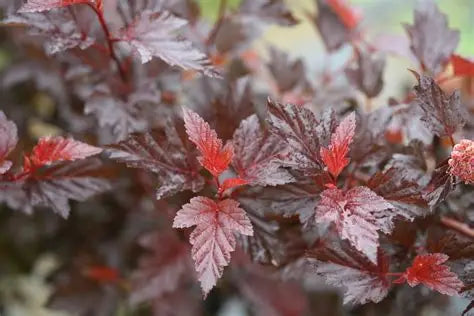
Foliage emerges bright orange in spring → matures to burgundy red through summer → vivid fall color.
-
White flower clusters in late spring, followed by red seed heads.
-
Disease‑resistant, low‑maintenance native shrub.
-
☀️ Light & Site Requirements
-
Sunlight: Best in full sun (6+ hours/day) to maximize foliage color and flowering. It will tolerate part sun, but full sun yields best results.
-
Soil: Very adaptable — performs well in a wide range of soil types (loamy, clay, shallow, rocky). Preferably well‑drained.
-
Spacing: Because of its eventual spread (~5‑6 ft), plan accordingly — allow room for the shrub to breathe.
-
Zone 3 considerations: Since this cultivar is rated to Zone 3, site selection should emphasise sun, and avoiding overly wet/trapped cold spots will help ensure reliable performance.
Planting & Watering
-
Planting: Best planted in spring or early fall when soil moisture is good. Dig hole about twice root‑ball size, set plant level with surrounding soil, water in well.
-
Watering:
-
During establishment (first 1‑2 seasons): keep soil evenly moist.
-
Once established: fairly drought tolerant — minimal watering needed outside of extended dry spells.
-
-
Mulching: Add 2–3 inches of organic mulch around base, keeping mulch slightly away from stems, to conserve moisture and suppress weeds.
Pruning & Maintenance
-
Pruning needs are low. Because it blooms on old wood, avoid heavy pruning in spring before bloom. Best time is just after flowering, or in late winter/early spring to remove old/damaged stems.
-
For rejuvenation: every few years remove about one‑third of oldest stems at ground level to keep shrub vigorous and colorful.
-
Avoid routine hard‑cutting back unless necessary — the natural arching habit is part of its appeal.
Foliage, Bloom & Seasonal Interest
-
Foliage: Stunning progression of color — orange in spring, then burgundy, then deep red in fall. Excellent multi‑season interest.
-
Blooms: White flower clusters in late spring to early summer. These are good for attracting pollinators.
-
Seed Heads & Bark: After blooming, red seed heads add interest; bark is exfoliating (giving “ninebark” its name) which adds winter texture.
Pests, Diseases & Wildlife
-
Generally disease‑resistant, including good resistance to mildew in trials.
-
Common pests: typical shrub pests (e.g., aphids) may appear but are not a major concern if the plant is healthy.
-
Wildlife: The flowers attract pollinators. The seed heads and structure offer value for birds and insect life.
-
Deer and salt tolerance: While many sources note good landscape performance, check local browsing pressure; not guaranteed deer‑proof.
Landscape Uses & Tips
-
Excellent as a specimen shrub, color focal plant, hedge or screen, or mass planting for impact.
-
Works in mixed shrub borders, foundation plantings, native or low‑maintenance landscapes.
-
Because of its bold foliage and multi‑season interest, pair it with contrasting textures or colors (e.g., silvers, deep greens, ornamental grasses).
-
In Zone 3, emphasise its cold‑hardiness and suitability for northern gardens — a strong selling point.
Photos from Proven Winners
Share