
Riverdene Garden Centre
Grape Crush New England Aster (PW)
Grape Crush New England Aster (PW)
Couldn't load pickup availability
Overview
-
Botanical Name: Aster novae‑angliae ‘Grape Crush’
-
Common Name: Grape Crush New England Aster
-
Plant Type: Herbaceous perennial
-
Hardiness Zones: 3–8
-
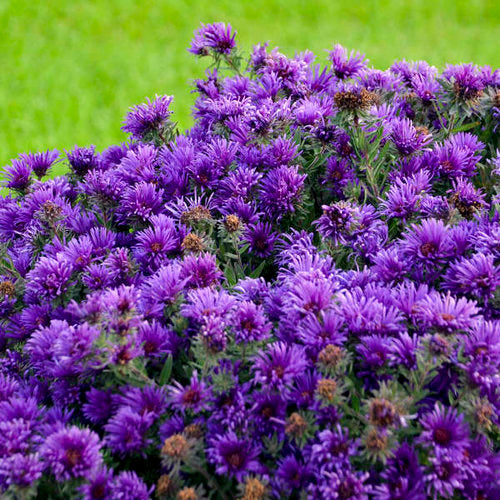
Bloom Time: Early to mid‑fall — a “finale” plant for the season with rich purple flowers.
-
Mature Size: About 26‑30 inches tall (66‑76 cm) and spread roughly 40‑44 inches (1.0‑1.1 m) in good conditions.
-
Flower Color: Deep rich purple with golden yellow centers above dark green foliage.
Light & Position
-
Prefers full sun (6+ hours daily) for best flowering.
-
Can tolerate part sun/partial shade, though flower display might be less robust.
-
In your Zone 3 setting, a sunny location is ideal for achieving strong color and growth.
Soil & Planting
-
Soil: Well‑drained, average to moist garden soil. It’s tolerant of a range of soils but does best where drainage is good.
-
Soil pH: Not always specified, but typical asters prefer neutral to slightly acidic (around 6.0‑7.0) soils.
-
Planting: Space plants about 3‑4 feet apart (≈40‑44 inches) to allow for full spread and good air circulation.
-
Mature form is a broad mound — you’ll want to allow entries and visual impact.
Water & Maintenance
-
Water regularly during establishment and during dry spells; keep soil from drying out for extended periods.
-
Once established, fairly moderate water needs; do not allow soils to stay soggy.
-
Deadhead spent blooms if you want tidier appearance and possibly encourage a bit more bloom.
-
In early spring, clean up old stems before new growth begins to keep plant tidy.
Garden Use & Benefits
-
Excellent for fall colour — when many plants are finishing, this one delivers rich purple blooms.
-
Great for pollinators: attracts bees and butterflies late in the season.
-
Works as a specimen, in mass plantings, or in mixed perennial borders.
-
Because of its size, it can act as a backdrop or mid‑border plant.
Tips for Zone 3 Success
-
Since it’s hardy to Zone 3, you’re in good shape with respect to winter survival.
-
Plant in a protected site (e.g., near a south‑facing wall or with some wind protection) to help with winter condition and spring emergence.
-
Mulch lightly in late fall to protect the crown if your winters are especially harsh or freeze‑thaw cycles are problematic.
-
Because of the plant’s size, give it sufficient space now rather than crowding — it’ll fill in.
-
Consider cutting back in late winter or early spring before growth resumes to tidy the stand.
Photo from Proven Winners
Share