
Riverdene Garden Centre
Pink Crush New England Aster (PW)
Pink Crush New England Aster (PW)
Couldn't load pickup availability
‘Pink Crush’ New England Aster – Care Guide
Overview
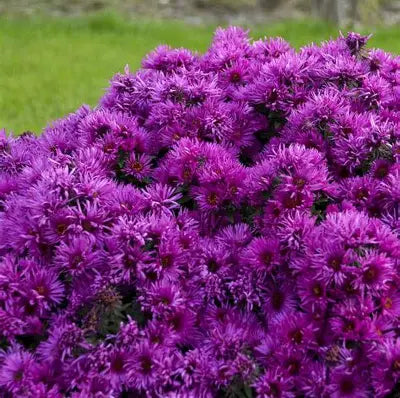
‘Pink Crush’ is a compact, vibrant cultivar of the New England Aster (Aster novae-angliae), known for its rosy-pink, daisy-like flowers that bloom prolifically in late summer to fall. It forms a dense, upright mound and is beloved by pollinators, especially monarch butterflies during fall migration. This selection offers a tidy, mildew-resistant habit and thrives in cold prairie climates.
Key Characteristics
-
Botanical Name: Symphyotrichum novae-angliae ‘Pink Crush’
-
Common Name: Pink Crush New England Aster
-
Plant Type: Herbaceous perennial
-
Hardiness Zones: 3–8
-
Height: 18–24 inches (45–60 cm)
-
Spread: 24–36 inches (60–90 cm)
-
Bloom Time: Late summer to mid-fall (August to October in Zone 3)
-
Flower Color: Bright pink with golden-yellow centers
-
Foliage: Narrow, rough-textured green leaves
-
Habit: Upright, dense, bushy mound
Sun Requirements
-
Prefers full sun (6+ hours/day)
-
Can tolerate light shade, but flowering may be reduced and plant may become floppy
Watering Needs
-
Moderate water needs — water deeply when establishing
-
Drought-tolerant once established, but benefits from consistent moisture during bloom
-
Avoid overhead watering to reduce mildew risk
Soil Preferences
-
Grows best in well-drained, loamy soil
-
Tolerates clay, sandy, and average garden soils
-
pH: Neutral to slightly acidic (6.0–7.0)
-
Does not like soggy or overly rich soils
Maintenance Tips
-
Deadhead spent blooms to encourage continued flowering
-
Cut back in late fall or early spring after stems die back
-
May benefit from a mid-season pinch (late June) to encourage bushiness and prevent flopping
-
Divide every 3–5 years in early spring to maintain vigor
Pollinator & Wildlife Benefits
-
Excellent for pollinators, especially late-season bees, butterflies, and migrating monarchs
-
Provides nectar when many other flowers have finished blooming
-
Deer-resistant and rarely bothered by rabbits
Pests & Disease
-
Resistant to powdery mildew, a common issue with older aster varieties
-
Watch for:
-
Occasional aphids
-
Fungal leaf spots in very wet conditions
-
-
Ensure good air circulation and avoid overcrowding
Garden Uses
-
Pollinator and butterfly gardens
-
Cottage gardens
-
Late-season borders
-
Mass plantings or drifts in prairie-style gardens
-
Excellent cut flower for fall arrangements
Zone 3 Notes
-
Very cold-hardy and reliable perennial for harsh winters
-
In exposed sites, mulch with straw or leaves in late fall for root protection
-
Will die back to the ground and re-sprout in spring
Special Features
-
Compact habit makes it suitable for smaller garden spaces and containers
-
Developed for disease resistance, long bloom period, and vibrant color
-
Excellent as a native-friendly alternative to mums for fall color
Photo courtesy of Proven Winners
Share