

Riverdene Garden Centre
Rhododendron Black Hat (PW)
Rhododendron Black Hat (PW)
Couldn't load pickup availability
Overview
-
Botanical Name: Rhōdōdendrōn × ‘NCRX2’ (PP# 31,898)
-
Trade Name/Cultivar: Black Hat® Rhododendron
-
Hardiness Zones: 4–8 (some sources list 4a at minimum)
-
Mature Size: Approximately 3 ft tall × 3 ft wide (≈90 cm × 90 cm)
-
Key Features:
-
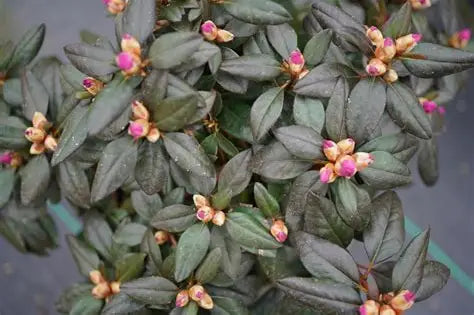
Evergreen shrub with dramatic dark foliage (purple‑black tones) especially in cooler weather.
-
Early spring blooms of lavender‑pink/purple (longer lasting than many rhododendrons)
-
Compact habit, suitable for mass plantings, containers, borders.
-
Light & Site Requirements
-
Exposure: Performs in a range from full sun to part sun, and even light shade in cooler climates.
-
Soil: Needs acidic, well‑drained, fertile soils rich in organic matter. pH around ~5.5–6.2 is recommended.
-
Drainage: Very important—avoid heavy alkaline soils, compacted clay without amendment, or sites with standing water.
-
Cold/Wind Considerations: In open prairie conditions (Zone 3), select a site shielded from drying harsh winter winds or reflected heat if possible, and plant in spring for best establishment.
Planting & Maintenance
-
Planting Time: Early spring or early fall are ideal for establishment.
-
Spacing: Given size ~3 ft × 3 ft, space plants about 3–4 feet apart for visual fullness.
-
Mulch: Apply 2–3 inches of organic mulch (pine bark, acidic compost) to conserve moisture, moderate soil temperature; keep mulch away from trunk base.
-
Watering:
-
While establishing: Keep soil evenly moist (not soggy).
-
Once established: Moderate watering; do not let the root zone dry out excessively.
-
-
Fertilizing: Use an acid‑loving shrub fertilizer in early spring; top‑dress with compost annually.
-
Pruning: Minimal pruning required. If needed, prune immediately after flowering, because rhododendrons flower on old wood. Avoid heavy cutting.
Bloom Time & Foliage Interest
-
Bloom Time: Very early in the spring; clusters of ruffled lavender to purple‑pink flowers, lasting longer than many other early varieties.
-
Foliage: Durable evergreen leaves that in cooler conditions develop deep purple‑black tones, giving strong year‑round interest.
Zone 3 & Cold‑Climate Considerations
-
While rated to Zone 4 minimum, with good site selection (well‑drained soil, protection from extreme wind exposure, good mulch) many gardeners in early‑Zone 3 microclimates may succeed.
-
Choose a site with good morning sun and some protection from harsh afternoon sun or reflective heat.
-
For heavy clay or less‑ideal soil, amend with acidic, organic matter (pine bark, peat, compost) to improve structure and acidity.
-
Winter protection: A layer of mulch helps, and avoiding late fertilizing which can promote tender growth going into winter helps reduce damage.
Pests, Diseases & Common Issues
-
Susceptible to problems if soil is too alkaline or poorly drained (chlorosis, root rot).
-
Good disease resistance is noted for this cultivar, but general rhododendron issues apply (e.g., root rot, petal blight, leaf spot) if conditions are poor.
-
Winter burn or leaf desiccation possible in exposed sites—proper planning mitigates this.
Landscape Uses
-
Specimen shrub in front beds, near entrances.
-
Mass planting for dramatic effect (dark foliage plus spring flowers).
-
Container plant (in cool zones)—but ensure adequate winter protection if container grown.
-
Low hedges or accent plant in mixed shrub border, especially with contrasting light‑foliage plants (e.g., light green, silver foliage) to make the dark leaves pop.
Photos from Proven Winners
Share